
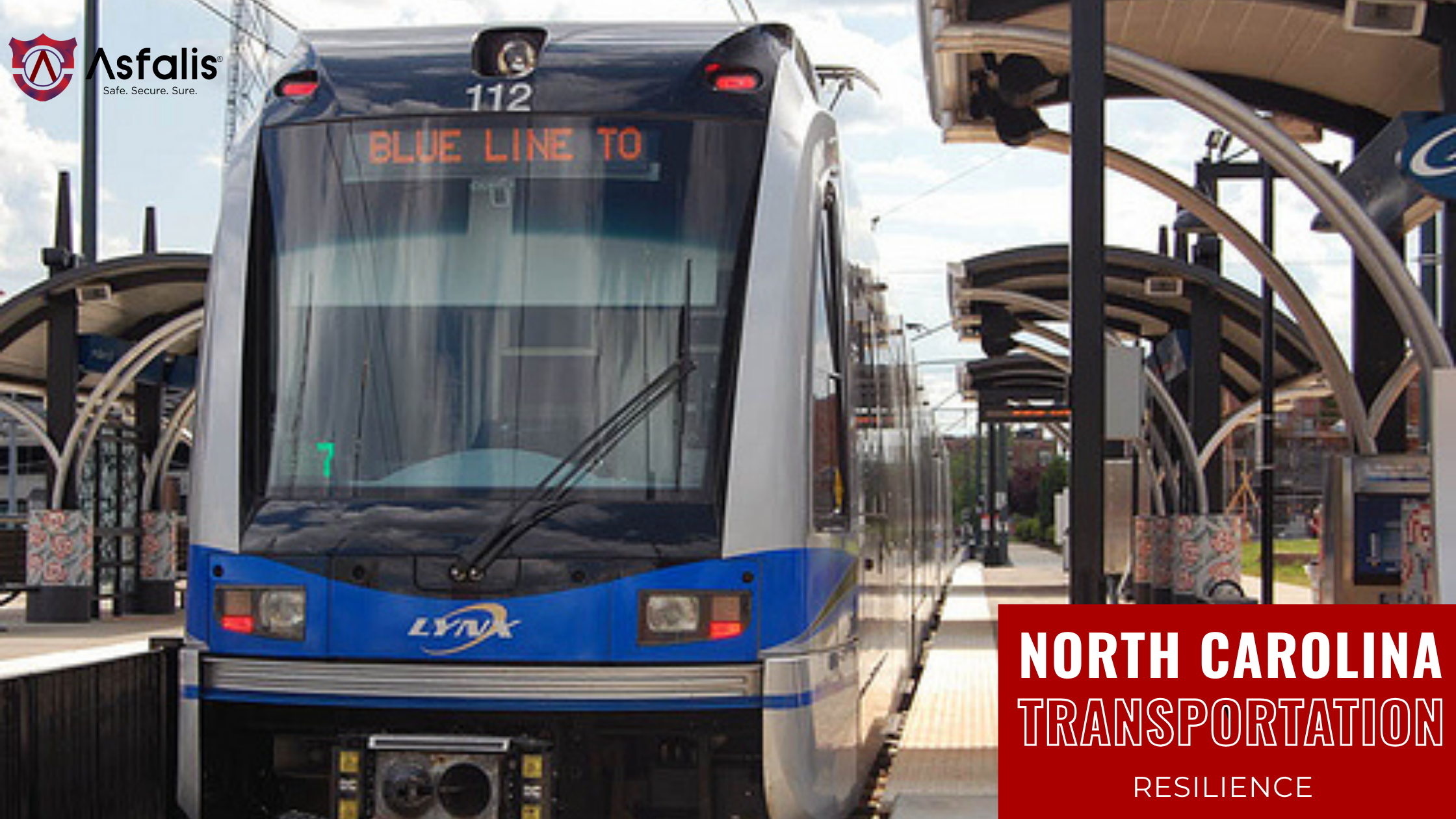
Did you know that since 2020, at least six hurricanes have directly impacted North Carolina? This statistic not only exemplifies the reality we face but also highlights the critical need for robust emergency management and transportation resilience. While celebrating National Preparedness Month in September, amidst hurricane season, understanding how to strengthen our state’s transportation infrastructure and emergency response mechanisms is vital.
I recommend that policymakers, business leaders, and voters explore the current challenges facing North Carolina’s transportation network and delve into actionable steps, including the NC Projects for Advancing Vehicle-Infrastructure Enhancements (PAVE) Act, that can collectively safeguard our communities and effectively prepare us for future disasters.
Current Challenges in North Carolina’s Transportation Network
As we assess the landscape of North Carolina’s transportation systems, it is crucial to recognize the intricate web connecting our roadways, railways, and airports. Interruptions can arise from various sources, including natural disasters, human error, or outdated and underfunded infrastructure. Recent hurricanes serve as stark reminders of how easily this web can fray. Following Hurricane Florence, we saw road closures that trapped residents in their homes and hindered aid efforts, emphasizing the urgent need for improvements that enhance resilience.
Notably, hurricanes highlight vulnerabilities beyond immediate physical damage. Issues such as bridge integrity, a lack of alternative transportation routes, and outdated technologies pose considerable threats. For instance, as autonomous vehicles progressively integrate with our traditional transportation framework, we must examine their performance during emergencies. Addressing these challenges is imperative to developing a transportation infrastructure capable of withstanding unpredictable threats.
PAVE Act Opportunities
One promising initiative aimed at bolstering our transportation resilience is the NC PAVE Act. This strategic opportunity aims to enhance the synergy between communities and mobility, enabling smarter, safer responses during emergencies. The PAVE Act is designed to facilitate robust connections between roads, transit, and rail, enhancing real-time data-sharing that enhances situational awareness for emergency responders.
Imagine a system that addresses our region’s immediate needs while also building for our future resilience needs. Such features allow emergency vehicles to navigate seamlessly through congested areas, guiding local logistics and emergency personnel to where they are needed most. The PAVE Act not only improves operational efficiency but also leverages technological advancements to keep communities safe.
By prioritizing investment in projects like the PAVE Act, North Carolina can proactively address systemic issues within the transportation sector. The drive for innovation in vehicle-infrastructure integration enables individuals to benefit from increased safety, more efficient evacuations, and quicker response times in emergencies.
Every Opportunity Presents a Risk
While there is a lot of opportunity presented, there are also several concerns with the current legislation and process that can be harmful to various demographics in the community if not addressed. As a risk management professional, it’s important for stakeholders to understand the upside and downside of risk and make informed decisions:
- Adding the $1 cent sales tax can be impactful to communities in Mecklenburg who are economically distressed, who are already significantly burdened by the cost of inflation, and the health care cuts from the One Big Beautiful Bill legislation.
- While the PAVE Act will fund roads at 40%, transit at 40%, and rail at 20% a detailed list of approved projects over the 30-year window and when those projects will begin is unclear.
- If the voter referendum is passed, requirements have to be met by January 1, 2026. This positions policymakers to make decisions, such as appointing members to the Metropolitan Public Transit Authority (MPTA) in a thoughtful and equitable way, in the fourth quarter of the year, with a very short window to get this right.
- The MPTA will have a board of 27 members, which is unusually large and faces significant risks, including bureaucratic decision-making and potential communication challenges. While a large board may offer more diverse expertise and representation across Mecklenburg County, it can introduce governance challenges that can hinder its effectiveness.
- Additionally, there are concerns about: the micro-transit model, the evolution in how people utilize public transportation, and low-income residents potentially taking on a majority of the costs, while not immediately benefiting from the transportation infrastructure.
Why the Cost of Doing Nothing Is Higher
Despite these legitimate concerns, the alternative is worse. Every dollar spent on resilience saves communities $6 – $13 in post-disaster costs (Global X ETFs Infrastructure Report).
Transportation systems need what emergency managers call “redundancy”—multiple ways to move people when primary routes fail. During tropical storm Chantal, Interstate 40/85 shut down near Graham. Communities with backup transportation options recover faster than those dependent on single highways, which impacts life safety, local businesses, schools, etc. If Mecklenburg County residents do not vote yes for the referendum, the region could experience extended recovery times in disaster situations, impacting families, schools, health care, and businesses.
The Bigger Picture for North Carolina
If Mecklenburg County votes no, when’s the next opportunity to fund regional transportation? Probably not for years, maybe decades. Meanwhile, 157+ people move to the Charlotte region daily, with the population expected to grow 50% by 2050.
Other North Carolina regions are watching. If PAVE fails, it signals that even Charlotte—one of our state’s economic engines—can’t build political consensus and community engagement for transportation investment.
The Window Is Closing
Hurricane season peaks this month. Federal disaster funding faces cuts. State budgets remain tight. The January 2026 PAVE implementation deadline approaches fast. Yes, PAVE has flaws. Yes, some communities may benefit more than others.
But the cost of continued inaction outweighs these risks. When the next disruption hits Mecklenburg County—not if, but when—we’ll need every transportation option working. Roads that don’t flood. Rail lines that can evacuate people quickly. Bus networks that reach isolated communities.
My Recommendation
As someone who analyzes risk professionally, I have the following recommendations for stakeholders:
- For Policymakers: Think of public trust like a bank account. Every unanswered concern is a withdrawal. Every transparent solution is a deposit. Right now, policymakers should focus on addressing community concerns. When legitimate concerns are not addressed, opposition is amplified.
- For Business Leaders: Sit elbow-to-elbow with grassroots community leaders and address their concerns. PAVE benefits your workforce and economic development. However, if residents see this as something done TO them rather than WITH them, it will fail. Beyond advocating for the referendum, audit your own critical infrastructure vulnerabilities and map your failure points now so you can recover operations quickly when the next disruption strikes, minimizing impacts to employees and customers.
- For Residents and Voters: Your vote shapes the next 30 years of transportation in this region. Make it count by making it informed. You have an obligation to understand both benefits and risks before November and to engage your neighbors to show up at the ballot.
About the Author: Vanessa Mathews is the Founder and Chief Resilience Officer of Asfalis Advisors, with over 15 years of experience in Homeland Security and Emergency Management. She is an ambassador of the Yes For Meck campaign, and she is an 11-year Mecklenburg County resident.